by Gabrielle DeSantis

On a lovely day, nothing beats cruising around with fresh air and sunshine filling your car’s cabin. On a starry night, a moonroof is equally delightful. You might think sunroofs and moonroofs are totally fun and completely safe. But, in fact, they can be detrimental to your safety.

How can sunroofs be dangerous?

The panoramic sunroof of a 2016 BMW X1 xDrive 28i | Matt West/MediaNews Group/Boston Herald via Getty Images

Yes, sunroofs and moonroofs can be hazardous, especially when they break for no apparent reason.

In February 2020, the Orlando news station WESH revealed that hundreds of sunroofs spontaneously shattered, triggering more than 850 consumer complaints to the National Highway Traffic Safety Administration (NHTSA) between 1995 and 2017. However, not everyone who experiences an automotive mishap files a complaint with the NHTSA, so the number of exploding glass roofs could be even higher.

According to the New York law firm of Kantrowitz, Goldhamer & Graifman, closed moonroofs caused around 230 deaths and 500 injuries every year between 2002 and 2012. Bodily ejection through closed and open sunroofs were responsible for 300 deaths and 1,400 injuries yearly from 1997 to 2008, the firm claims.

In 2017, ABC Action News in Fresno spoke with Steven Kaufman, who described the sunroof that suddenly exploded on his 2015 Hyundai Elantra GT as he was traveling at highway speeds.

“The sunroof exploded. The glass started raining down on me. I thought someone had taken a shotgun and blown out the glass. It was so loud!”

Consumers Union spokesman David Friedman added:

“Although it’s not clear exactly why this is happening, the evidence that it is happening is really clear. And so automakers should be much more proactive. Just recall these vehicles.”

Consumer Reports investigated and found that shattering sunroofs isn’t uncommon. In fact, CR says automakers and regulatory agencies are well aware of the problem yet, with a few exceptions, are doing little about it.

Shattering moonroofs aren’t specific to any one automaker. According to Consumer Reports, the brands most prone to unexpected sunroof issues are Hyundai, Ford, Nissan, Kia, Scion, Toyota, Honda, Volkswagen, Cadillac, and BMW.

Are sunroofs and moonroofs the same thing?

People have been enjoying the wide-open feeling of sunroofs since 1937, when Nash added the feature to its roster of options. The original Nash sunroof was made of foldable fabric, as were those on Volkswagen Beetles in 1950. Transparent glass roofs built by American Sunroof Corporation first appeared on Lincoln Mark IV cars, Autofile reports.

The difference between a sunroof and a moonroof is minuscule. Carfax explains that when the term “sunroof” first came into being, a sunroof was an opaque panel that could be folded, popped up, slid out of the way, or temporarily removed to allow fresh air and sunshine to enter a vehicle.

Moonroofs came into the equation when stationary glass and a moving opaque panel were incorporated into a sunroof. Technically speaking, a moonroof can be enjoyed without exposing the car cabin to an influx of air. Whether used to soak up the sunlight or to follow the stars on a nighttime drive, openings in a vehicle roof can be exceedingly dangerous.

The case for and against glass roofs on cars

As with any automotive option, there are benefits and drawbacks. The Drive mentioned several good reasons to avoid sunroofs:

  • They’re noisy and interfere with aerodynamics
  • They inevitably break
  • They add too much weight
  • They place weight in the wrong place
  • They steal headroom
  • They’re too expensive
  • People don’t really use them
  • Holes should never be cut in a car’s roof

Proponents chimed, saying an open roof makes driving feel less restricted.

So if you want this feature, get it. If you prefer to wait until safety regulations regarding sunroofs are in place, go ahead and do that. Either way, drive safely.

RELATED: The Biggest Complaints About Sunroofs

The post Are Sunroofs Dangerous? appeared first on MotorBiscuit.
by Gabrielle DeSantis

The Toyota 4Runner’s reputation precedes it. Over the years it’s gained popularity as both a reliable family SUV and a formidable off-road warrior. Nearly every year of the 4Runner is recommended by Consumer Reports.

2021 Toyota 4Runner | Toyota

Virtually every 4Runner model is backed by high reliability scores. However, in some years things come together better than others. These are the best used Toyota 4Runner model years according to Consumer Reports.

What is the best year for a used Toyota 4Runner?

When you glance at the Consumer Reports ratings and scores for the Toyota 4Runner over the years, a few model years stand out. These models got both 5/5 predicted reliability scores and 5/5 consumer satisfaction scores. We pulled the model years with the best ratings for the purpose of this list of the best used Toyota 4Runner model years.

There are four best used Toyota 4Runner model years total, according to this data. Two models were in the previous generation. Plus, there is one model from the current generation and one model from the second generation which ran from 1995-2002.

Each of these models earned the best ratings possible for both predicted reliability and consumer satisfaction. Every year listed offers drivers several pricing options as well, all of which save plenty of cash compared with the price of a brand new 4Runner. In order to get behind the wheel as an owner of the 2021 Toyota 4Runner, buyers are looking at spending $36,765-$50,745.

The second generation Toyota 4Runner can still be a good used SUV

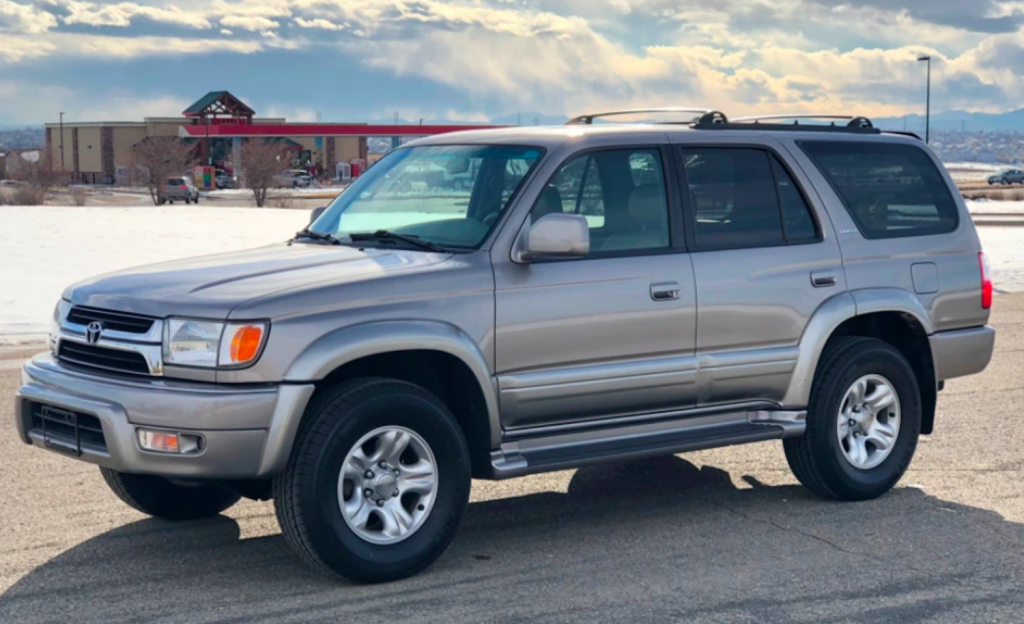
2001 Toyota 4Runner in parking lot
2001 Toyota 4Runner | Bring a Trailer

If shoppers find well cared for 4Runner models from the second generation (1995-2002), they will find a sturdy and capable SUV. According to Consumer Reports, the 2001 model year is the best 4Runner from this generation. This year, the 3.4 liter V6 became the standard engine in the lineup.

At this point in the generation, a longer wheelbase and other additions what already been made to improve the quality of this truck-like SUV. 2001 is the best model year for a used Toyota 4Runner according to Consumer Reports. In 2001, the Toyota 4Runner earned a 5/5 for predicted reliability. It also earned 5/5 for consumer satisfaction.

Consumer Reports also bestowed the recommended badged upon the 2001 Toyota 4Runner. Average pricing for the 2001 used 4Runner ranges from $4,975-$6,275.

The third generation Toyota 4Runner has two model years with near-perfect scores

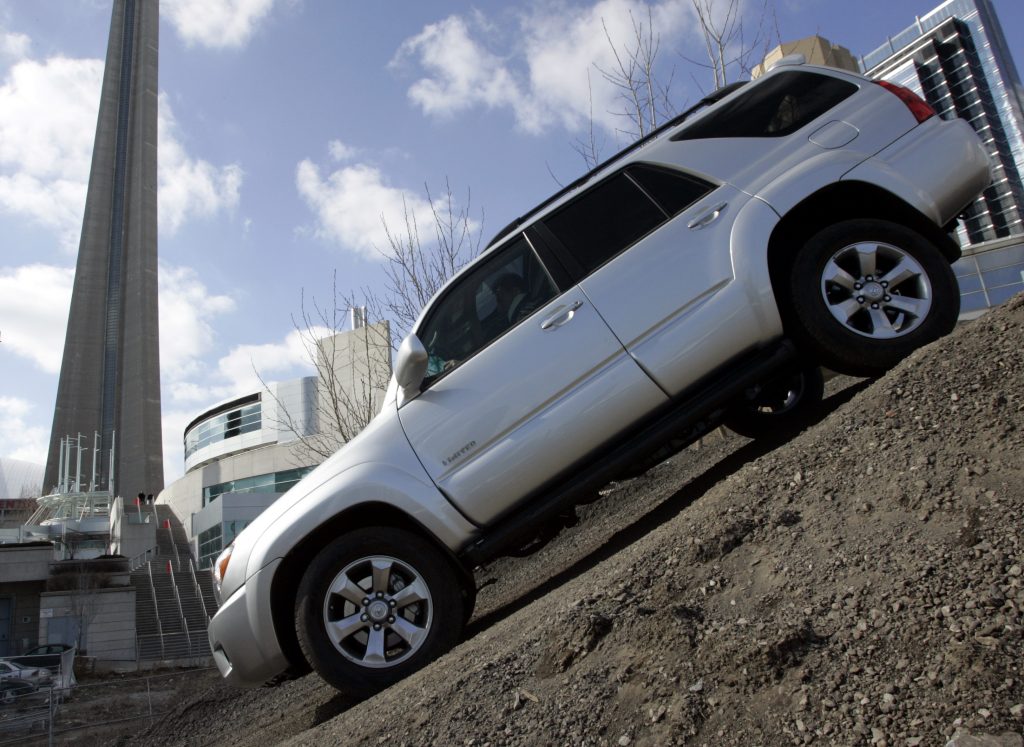
The 2006 Toyota 4Runner in a 4x4 off-road test
2006 Toyota 4Runner on the Toyota 4×4 test track | David Cooper/Toronto Star via Getty Images

In the third generation, two Toyota 4Runner models came out on top. The 2006 Toyota 4Runner and 2007 model year each earned 5/5 for both predicted reliability and consumer satisfaction. In fact, each of these is one of the best used Toyota 4Runner model years according to Consumer Reports.

Highs for the 2006 model year 4Runner include “quietness, powertrain, off-road ability, towing, [and]cargo volume.” Consumer Reports says that the highs for the 2007 model year are the same. Average pricing for these models is between $8,400-$13,200.

In the current 4Runner generation, there is one model year that earned 5/5 on both fronts

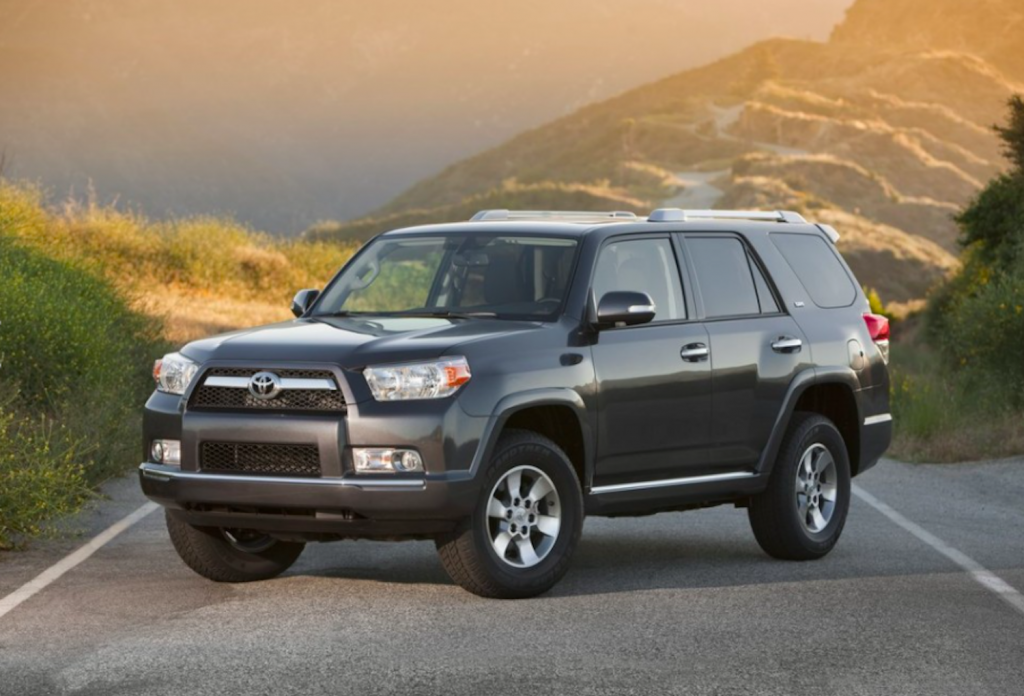
The 2013 Toyota 4Runner parked on a scenic road with mountains in the background
2013 Toyota 4Runner | TheCarConnection

The current generation is still in production. That said, they can also be very expensive. Buying a used model can save buyers some cash.

The 2013 model year is among the best used Toyota 4Runner model years according to Consumer Reports. In fact, the 2013 4Runner earned 5/5 for both predicted reliability and consumer satisfaction. Highs for the 2013 Toyota 4Runner include off-road capability and a good combination of power and fuel economy. Plus, Consumer Reports praises the rugged style. The average pricing for the 2013 4Runner is between $21,300-$26,275.

Buying a used Toyota 4Runner SUV

2013 Toyota 4Runner outside with surfboards on top
2013 Toyota 4Runner | Toyota USA

Buying a used model instead of a new Toyota 4Runner will save some cash. But how should buyers choose the right model year? Most of the Toyota 4Runner model years are recommended. All of them have generally good reliability ratings. However, the 2001, 2006, 2007, and 2013 model years have the best scores from Consumer Reports.

Overall, if you are looking for a used model, these years are a great place to start. However, it’s important to research the history of a used vehicle. Even a very reliable model that’s not taken care of can cause big problems for future owners.

RELATED: Buyers Guide: Toyota 4Runner (2014-2017)

The post The Best Used Toyota 4Runner Model Years According to Consumer Reports appeared first on MotorBiscuit.

by Gabrielle DeSantis

There’s no denying it. The Honda Ridgeline makes for a popular used truck. For good reasons, too. The unibody truck has a solid reputation for reliability. According to iSeeCars, it can last for a pretty long time too. But, as great as the used Honda Ridgeline is, if you’re in the market for the best used truck? These are the used Honda Ridgeline years to avoid.

How many miles will a Honda Ridgeline last?

2020 Honda Ridgeline | Honda

Before getting into which used Honda Ridgeline years to avoid, let’s talk about how many miles a Honda Ridgeline can last. Because, as it turns out, this unibody truck can last for a pretty long time. 

In fact, after analyzing 11.8 million cars sold in 2020 to find out which models last the longest, iSeeCars determined that 3.4% of Ridgeline models sold in 2020 successfully reached the 200,000-mile mark. Compared to a 1.9% average for all pickup trucks, that’s pretty impressive. 

As for how the Ridgeline can last for so long? “Pickup trucks often serve as work vehicles, and are likely to accrue more miles than a typical passenger car while commonly benefitting from more consistent preventative maintenance and necessary repairs,” explained iSeeCars.

Is the Honda Ridgeline a reliable used truck?

While how many miles a Honda Ridgeline can last is certainly important, if you’re shopping for a used truck, chances are you’re in the market for a reliable used truck. The good news is that the Ridgeline is a highly reliable used truck. In fact, more often than not, Consumer Reports has given this unibody truck a four out of five reliability rating.

Consumer Reports isn’t the only one to give the used Ridgeline such high marks either. J.D. Power has also given the Honda Ridgeline a Great quality and reliability rating several times. RepairPal gave the Ridgeline an Above Average reliability rating too, adding that it has lower than average ownership costs. As for which used Honda Ridgeline years to avoid? Let’s get into it.

Used Honda Ridgeline years to avoid

A 2018 Honda Ridgeline parked in the wilderness, the 2018 is a used Honda Ridgeline year to avoid
2018 Honda Ridgeline | Honda

Sure, the Ridgeline is a reliable used truck. That being said, there are a select few used Honda Ridgeline years to avoid. Take, for example, both the 2017 and the 2018 Honda Ridgeline. Consumer Reports gave both models a three out of five reliability rating. While that’s not the worst rating the organization could have given the Ridgeline, it’s certainly not the best. 

Consumer Reports doesn’t recommend either model, either. In fact, when it comes to the 2018 Honda Ridgeline, Consumer Reports’ data shows that this used Ridgeline has several problems to contend with. The most common used 2018 Honda Ridgeline problems include transmission issues, fuel system problems, and issues with the truck’s brakes and power equipment.

The 2017 and 2018 models aren’t the only used Honda Ridgeline years to avoid either.  The 2006 Ridgeline has the most overall complaints, according to CarComplaints.com. The most common complaints include issues with the used truck’s engine, interior accessories, and body paint. Several owners also lodged complaints related to the unibody truck’s seatbelts and airbags.

Should you avoid buying a used Honda Ridgeline?

While there are several used Honda Ridgeline years to avoid, that doesn’t mean you should avoid this used truck altogether. In fact, there are several reliable Honda Ridgeline model years to choose from. 

RELATED: The Cheapest Trucks to Maintain According to Consumer Reports

The post Used Honda Ridgeline Years to Avoid: What You Need to Know Before Buying appeared first on MotorBiscuit.

by Gabrielle DeSantis

The evolution of cars in the U.S. has seen some exciting fads over the years. However, once Japanese vehicles entered the U.S. market, the best-selling cars in the auto industry were forever changed. The 1990s saw various new options, but only three cars took the top spot over ten years.

The best selling car in 1990 was the Honda Accord

One of the Best Selling Cars in America was the 1990 Honda Accord | Shawn Patrick Ouellette/Portland Press Herald via Getty Images

The 1990s were not known for style; ask anyone who lived through it. However, the Honda Accord would beg to differ. For 1990 and 1991, the stylish Honda Accord was the best-selling car on the market, according to Visual Capitalist. In 1990, the Honda Accord sold 417,179 units alone. By the time 1991 rolled around, that number dropped a bit to 399,297 units. Overall, that’s 816,476 Accords sold in the U.S. over two years.

The Accord was also the most popular vehicle in 1989, selling 362,707 units during the year. 1989 was the first year that a Honda vehicle was the best-selling brand in the country. Previously, American brands like Chevrolet, Oldsmobile, and Ford took the lead. The Oldsmobile Cutless was the best-selling car from 1978 through 1981, and again in 1983.

In 2001, the Honda Accord was the most popular car, again selling 414,718 vehicles in one year.

The best selling car from ’93 to ’96 was the Ford Taurus

According to Visual Capitalist, automakers sold over 348 million cars between 1978 and 2020. That’s an average of about 8.1 million vehicles per year.

“From 1978 to 1988, two of the “Big Three” Detroit-based auto manufacturers had the best-selling cars in the country. GM had two models of the Oldsmobile Cutlass and two different Chevrolets in the top spot, while Ford was able to compete with the compact Ford Escort.”

Visual Capitalist

After that, Japanese cars took the lead for the reliability and affordability these brands offered. In 1992, the Ford Taurus sold 409,751 units, which went down to 360,448 in 1993. By 1994, the Taurus sold 397,037 units, 366,266 in ’95, and 401,049 in ’96. That’s 1,934,551 Ford Taurus vehicles sold over five years. Besides the Toyota Camry, the Taurus had the longest best-selling car streak of five years.

The Toyota Camry took the crown from ’97 through ’99

Once the Toyota Camry drove onto the scene, it was over for the other vehicles. In 1997, the Toyota Camry bumped the Taurus from the top spot. It sold 397,156 cars the first year, followed by 429,575 in 1998. That number increased to 448,162 in 1999 and continued through 2001 when the Honda Accord made an appearance.

From 2002 until 2020, the Toyota Camry was the best-selling car. It had a four-year streak from 1997 to 2000, and then a 19-year streak through last year. That is 9,177,081 Camry’s sold over 19 years in the top spot.

Toyota has yet to relinquish its hold on the U.S. market. Toyota has remained the world’s largest automaker for most of the previous 30 years. Additionally, the Toyota Corolla is the best-selling car of all time. Toyota makes reliable and affordable vehicles that buyers can’t seem to ignore. Plus, these vehicles tend to resell pretty well. What more could buyers want?

RELATED: Best Toyota Cars & SUVs for the Money in 2021

The post The Best Selling Cars in America of the 1990s appeared first on MotorBiscuit.